Land Clearing & Site Work Services in East & South Texas
Graham Land Services delivers clean, build-ready sites for homes, ranches, and commercial projects. From brush removal and grading to ponds, pads, and access routes, we plan the work carefully and finish it right—so the next phase moves faster and costs less.
Our Services
01.
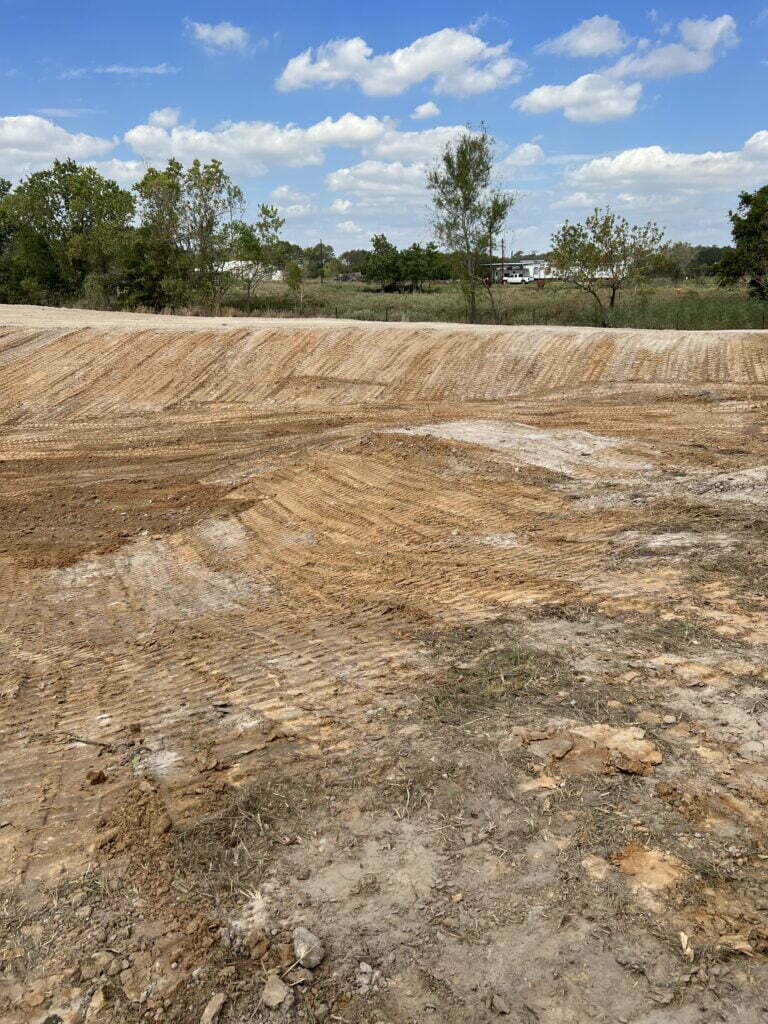
Ponds & Lakes: Built to Hold, Shaped to Last
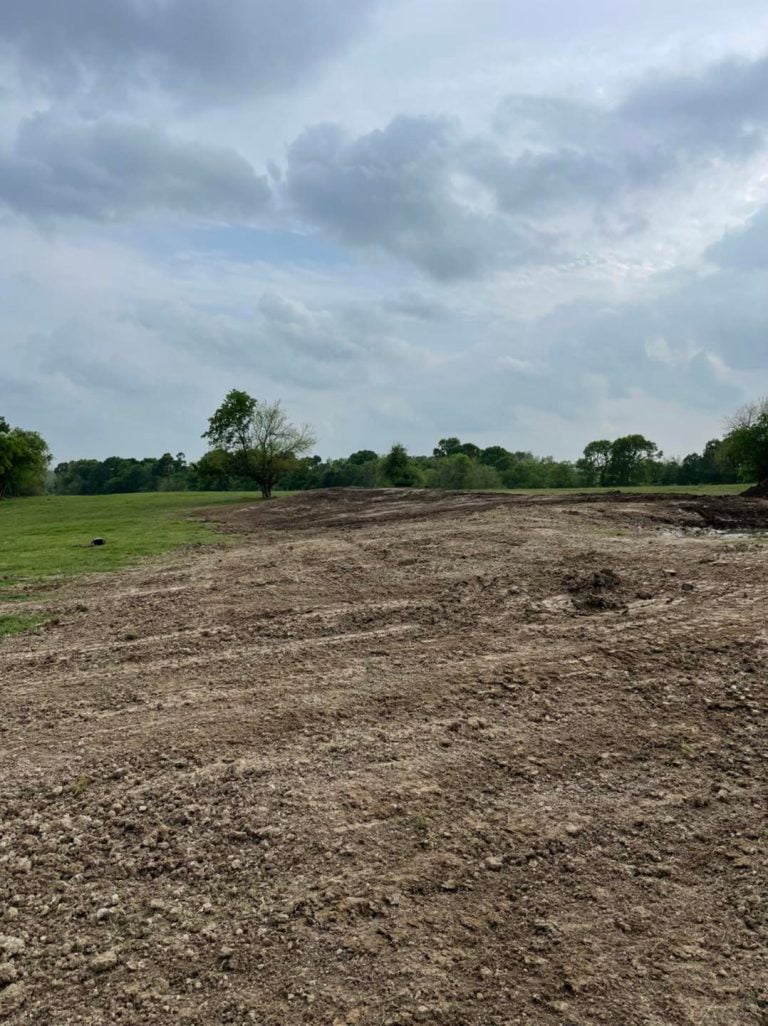
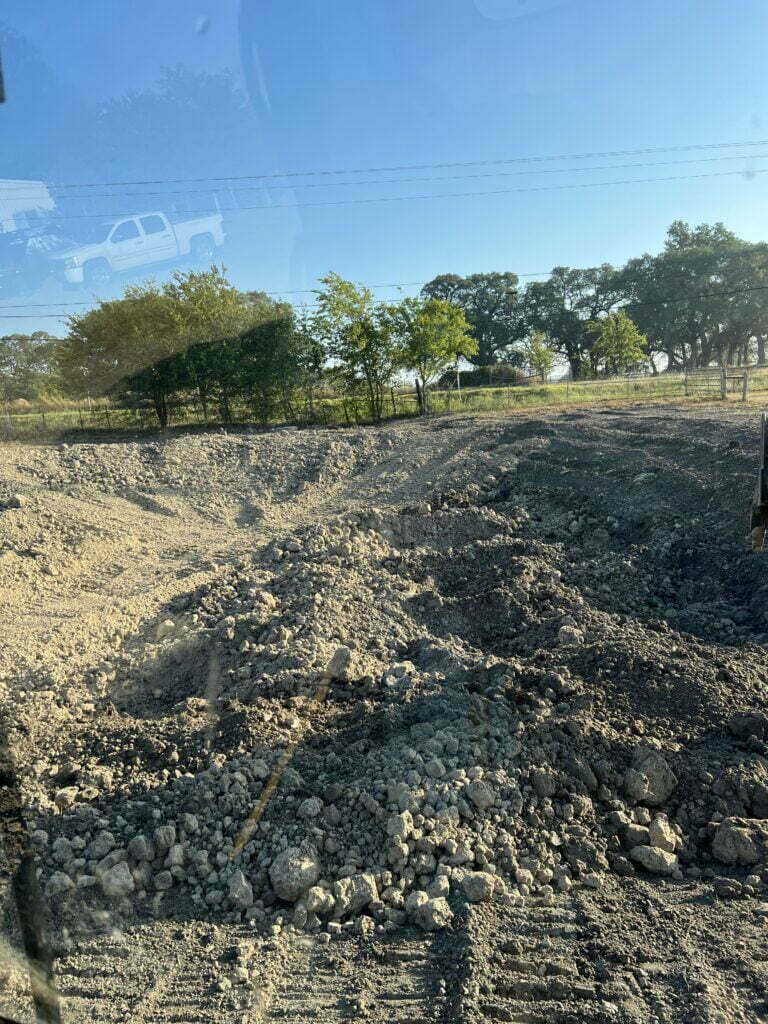
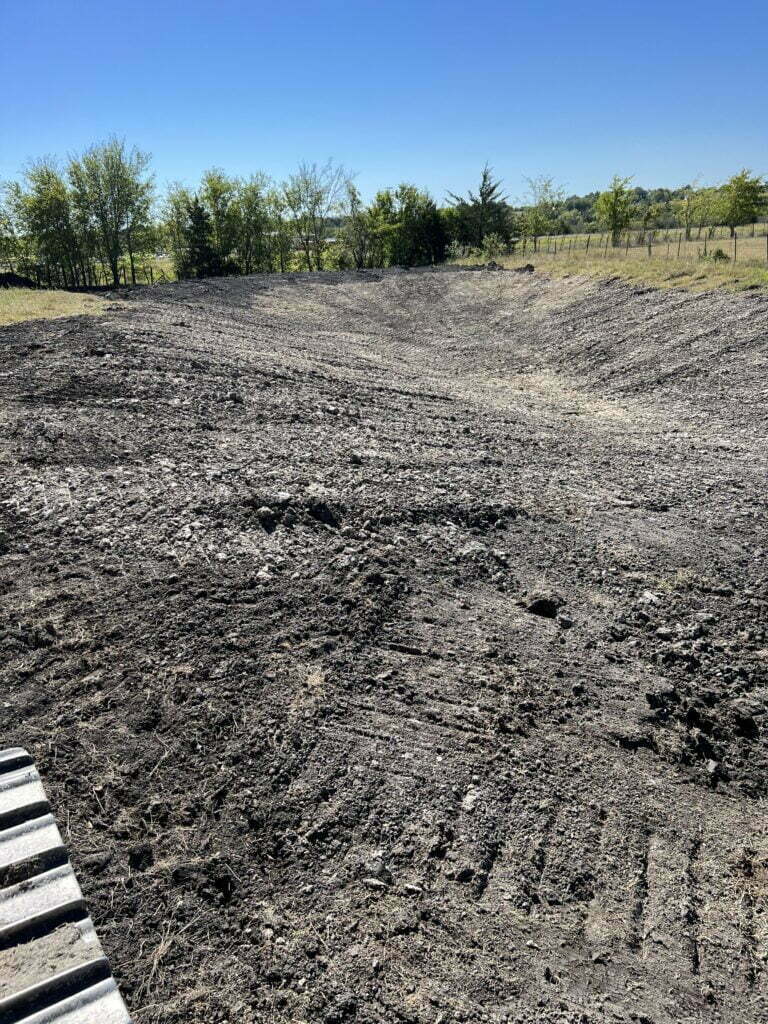
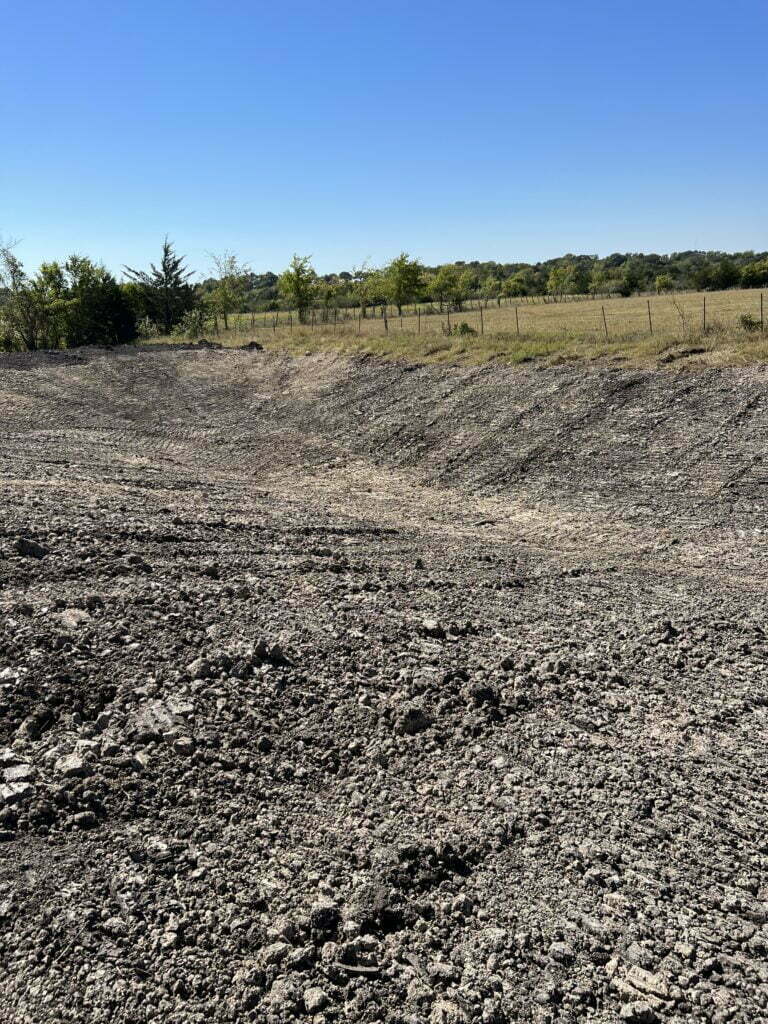
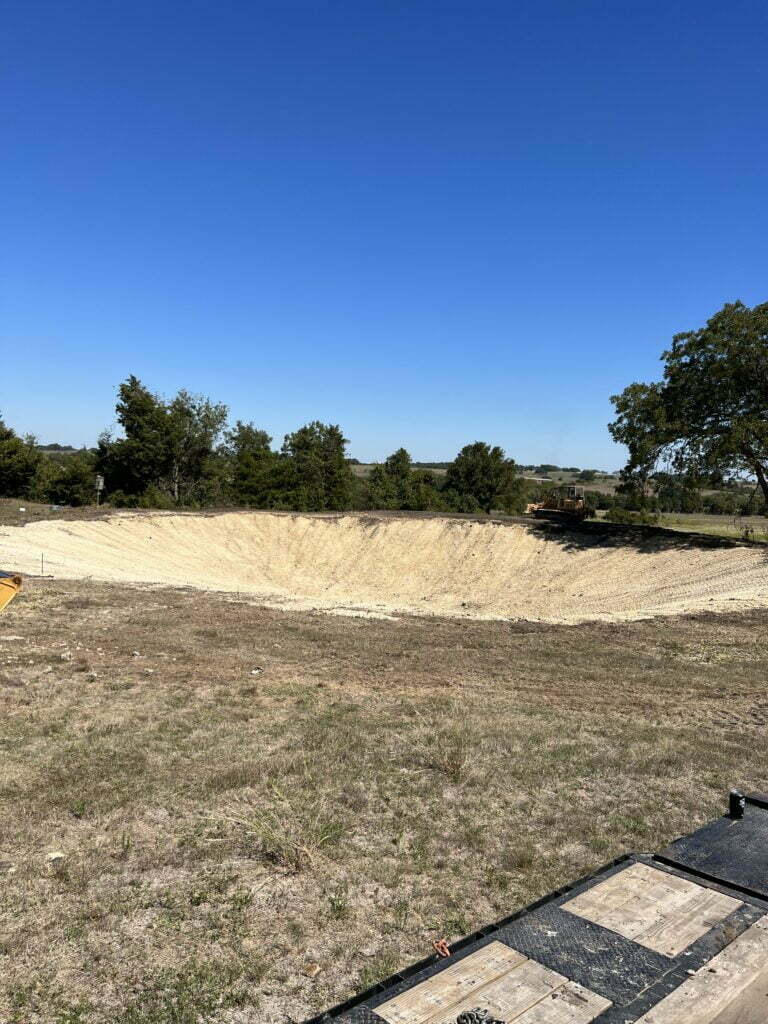
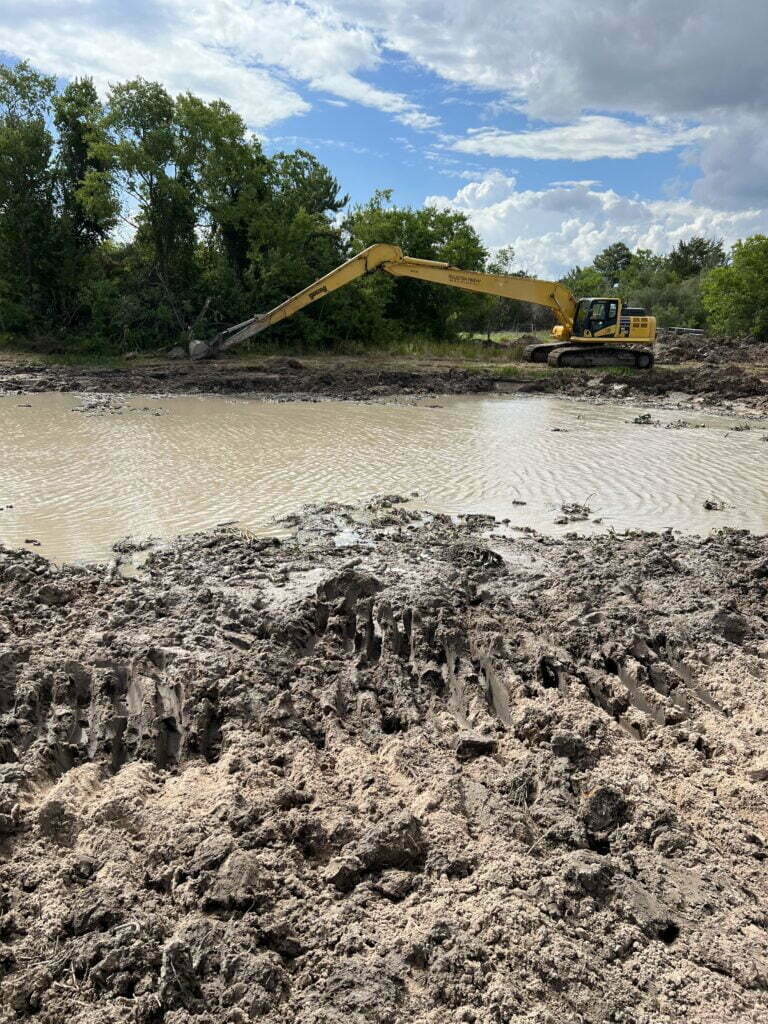
Thinking about a cattle pond, stock tank, or scenic lake? We handle the full process—excavation, shaping, compaction, spillways, and finishes—with soil testing up front to confirm your material will hold water. Where needed, we adjust the design or recommend amendments for long-term performance. Results: stable banks, proper depths, and water features that work for livestock, irrigation, or recreation.
02.
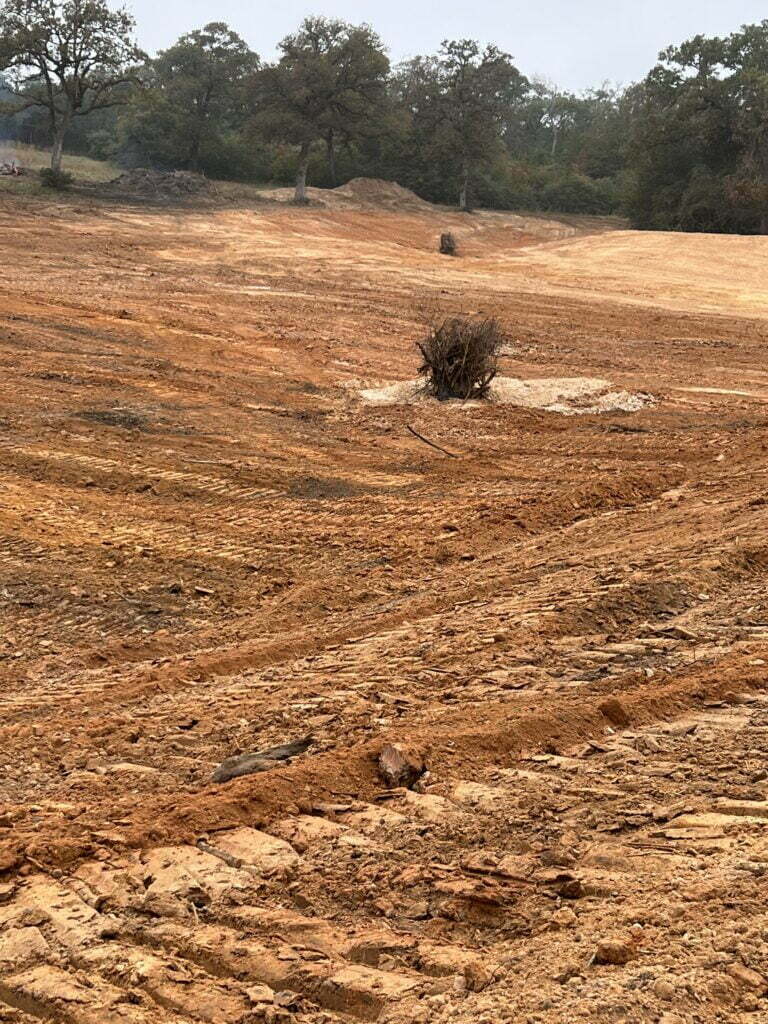
Comprehensive Land Clearing & Grubbing
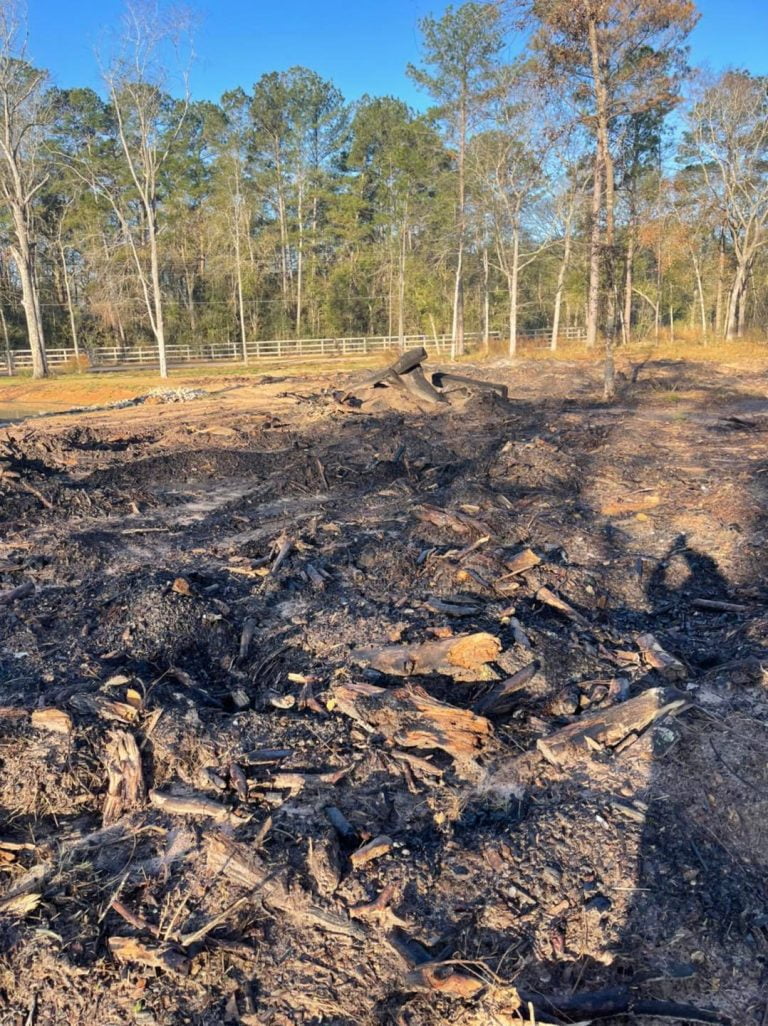
From one acre to a hundred, we clear land with care and efficiency. We mark boundaries, remove underbrush, take down trees, grub stumps and roots, and manage debris via haul-off or controlled burn (where permitted). Our focus is a clean footprint for new construction, fencing, pasture, or future phases—without leaving a mess for others to fix.
03.
Underbrushing and Forestry Mulching
When you want to open up visibility without scraping to bare dirt, underbrushing is the answer. For speed and minimal ground disturbance, forestry mulching uses a single machine to cut, grind, and mulch vegetation in place. The fine mulch layer helps with erosion control and looks tidy. We match attachments to your species and diameter to keep production high and results consistent.
04.
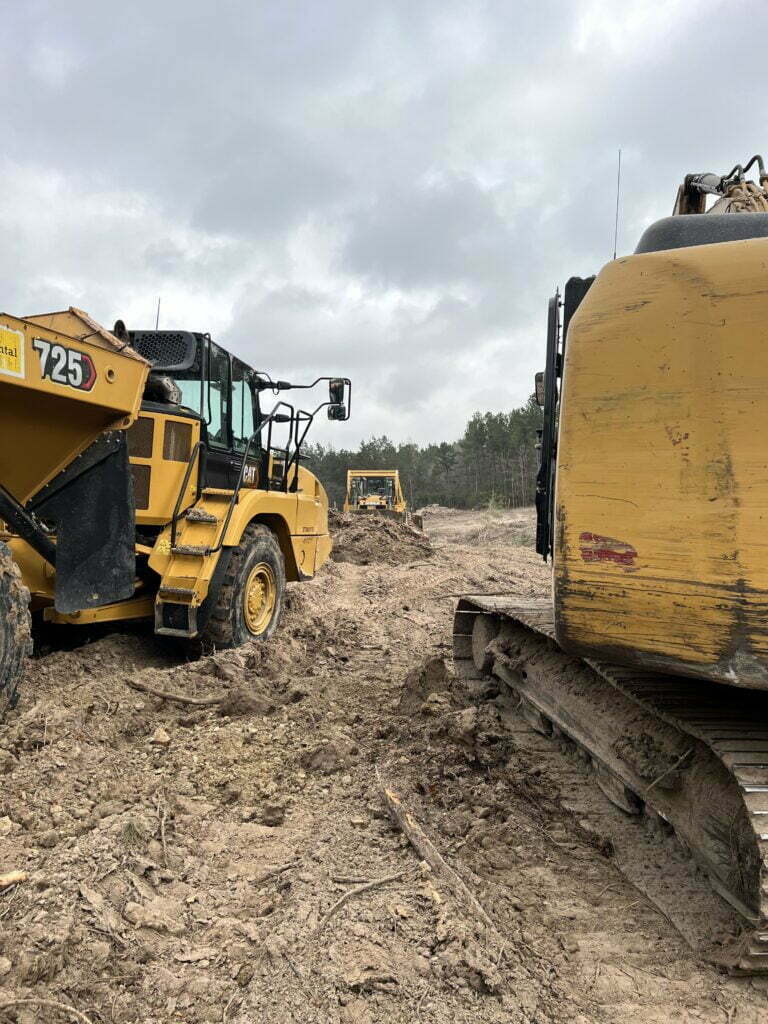
House & Barn Pads: Engineered, Compacted, Ready
Your foundation is only as good as the pad beneath it. We build house and barn pads to elevation and compaction specs, shaping proper drainage away from structures. Expect tight tolerances, smooth transitions to drives and yards, and a pad that’s truly ready for the foundation crew.
05.
Driveways, Parking Lots & Culverts
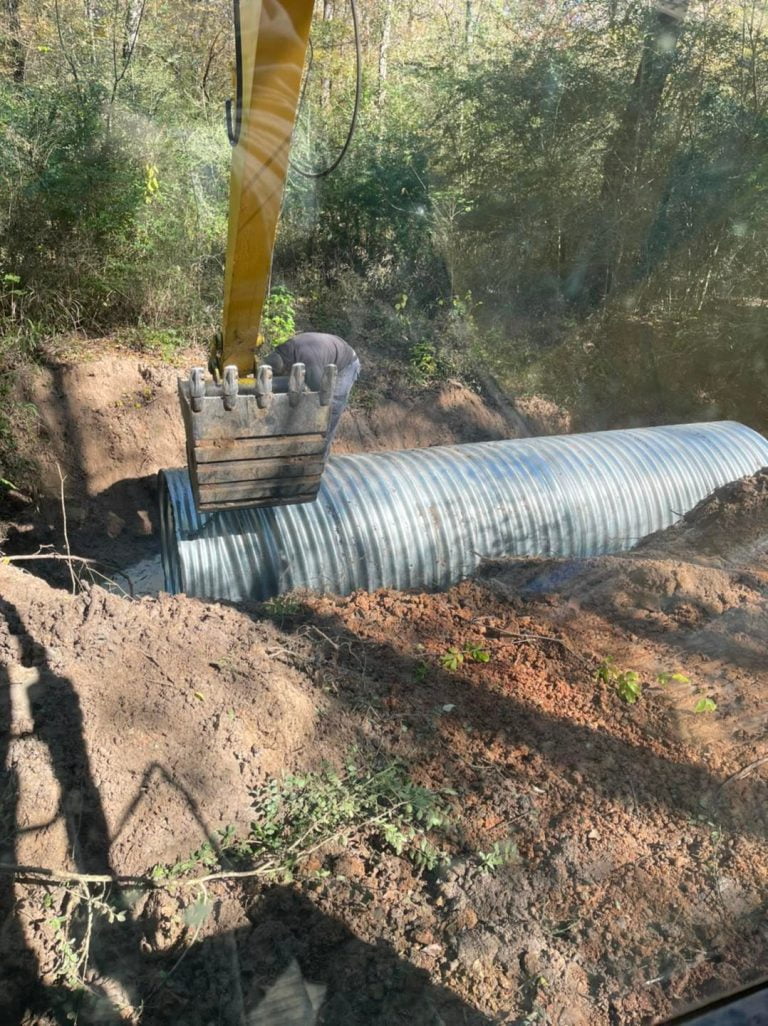
Access should be durable and drain correctly. We install driveways and parking areas using road base, decomposed granite, or other requested materials, compacted in lifts for longevity. For crossings and water management, we size and set steel culverts properly, backfill and compact to spec, and finish for smooth travel and sound hydraulics.
06.
Rough Grade & Final Grade
Good grading solves problems before they start. Rough grading establishes cut/fill and slopes that move water the right way. Final grading removes high spots, blends transitions, and leaves a smooth surface for sod, seed, or immediate use. We hand off sites that look finished—and perform that way.
07.
Excavation & Demolition
From trenching and site cuts to tear-downs of trailers, houses, dairy barns, and outbuildings, we remove what’s in the way and dispose of debris appropriately. Safety, utility locating, and sequencing are baked into the plan so work stays efficient and predictable.
08.
Onsite Planning and Consulting
Every property is different. We start with a walk-through to understand your goals, confirm utilities, study drainage, and plan the most cost-effective sequence. Because we think about your big-picture plan, we often save time and money across phases—especially on multi-use ranches and larger residential tracts.
Frequently Asked Questions
Do you handle the full project or just one service at a time?
We handle the full scope. Most properties need more than one service — clearing before grading, grading before the pad, the pond dug while the cleared material is still accessible for dam fill. We plan and execute multi-phase projects from start to finish, which keeps the sequencing right and eliminates the coordination problems that come from juggling multiple contractors. You can also hire us for a single service if that’s all you need.
What's the difference between land clearing and lot clearing?
Land clearing typically refers to larger rural or agricultural properties — ranch acreage, timberland, pasture reclamation. Lot clearing is more focused on a defined parcel being prepared for residential or commercial construction. The equipment, method, and scope look different depending on what you’re working with. We handle both, and we’ll recommend the right approach after walking your property.
What's the difference between forestry mulching and underbrushing?
Forestry mulching uses a dedicated machine to cut, grind, and deposit standing brush and small trees as a fine mulch layer in a single pass — it’s fast, low-impact on topsoil, and leaves no debris to manage separately. Underbrushing is a lighter process that removes low-growth scrub, vines, and bramble while leaving the tree canopy intact. Mulching works well when you need to process significant brush volume efficiently. Underbrushing is the right call when preserving the wooded character of the land matters. Often both are used on different areas of the same property.
When does a property need grubbing versus just clearing?
Clearing removes above-ground vegetation — trees, brush, and undergrowth. Grubbing goes further, removing stumps and root systems below grade. If you’re building on the site, seeding pasture, or need to prevent brush from re-sprouting, grubbing is usually necessary. If you’re doing forestry mulching, the machine grinds material at or near surface level, which handles regrowth differently. We’ll tell you which approach makes sense for your property and goals.
How do you determine where a pond should go on my property?
Pond placement depends on several factors: where water naturally drains and collects, soil profile and clay content, available watershed area to fill the pond, surrounding terrain and elevation, and your intended use — livestock, fishing, irrigation, or aesthetics. We evaluate all of this during the walk-through before recommending a location. A pond placed without reading the drainage and testing the soil is a gamble. We don’t guess at it.
Can you build a pond and a house pad on the same project?
Yes, and it often makes sense to do both at the same time. The material excavated from the pond basin can frequently be used as fill for the pad, which reduces haul costs and takes advantage of equipment already on-site. Sequencing the two together is one of the most cost-efficient ways to develop a rural property. We flag opportunities like this during the planning walk-through.
What does "rough grade" mean versus "final grade," and do I need both?
Rough grading establishes the primary cut-and-fill relationships across the site — it sets drainage slopes, moves material to the right locations, and shapes the land for what’s coming next. Final grading is the finishing pass: removing high spots, blending transitions, and leaving a smooth, properly sloped surface ready for sod, seed, or construction. Most build projects need both. If you’re just reclaiming pasture or prepping a pad, rough grading may be sufficient. We scope both phases based on your end use.
Build on Solid Ground—Start with a Smarter Site Plan
Tell us your vision and we’ll map a clear, cost-smart path to it. We’ll walk your property, assess soil and drainage, and sequence the work—clearing, pads, access, and water—so later phases go faster and cost less. Expect a clean, itemized estimate, a realistic timeline, and straight talk on options. We serve a ~70-mile radius from Anderson, TX and travel farther for larger projects. Call (936) 203-6910 or email us to schedule your on-site plan and free estimate.